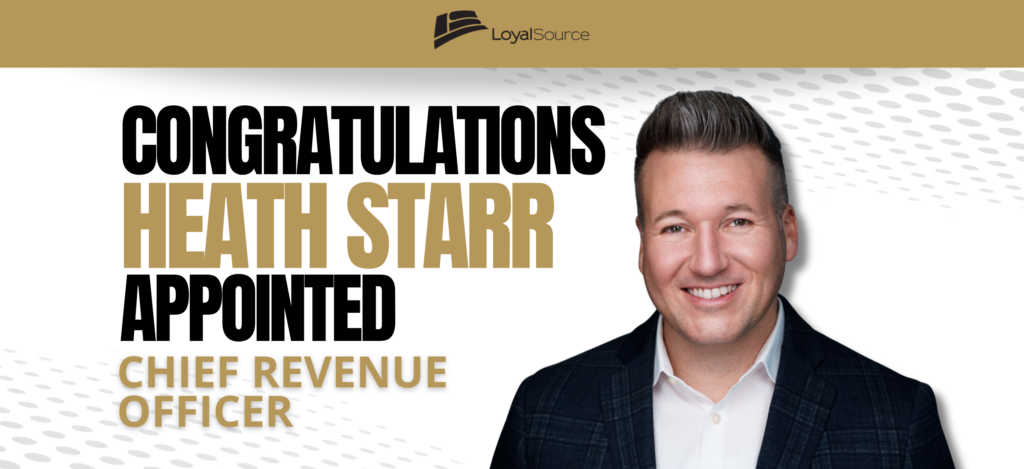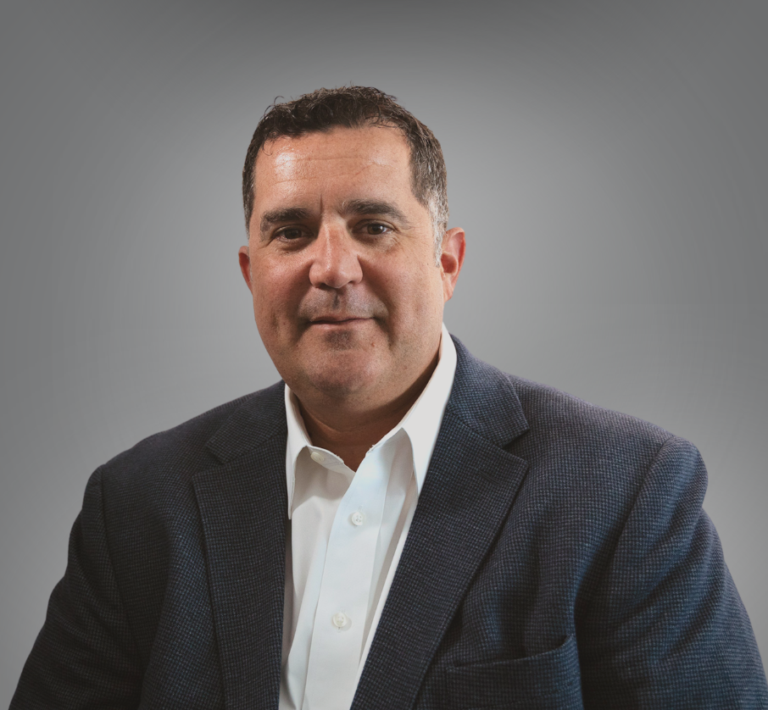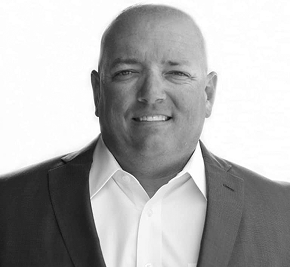







Before becoming Chief Growth Officer at Loyal Source Government Services, Heath Starr was a bartender, a college student with plans for law school, and a young professional looking for a way to contribute more directly to public service.
After the Sept. 11 attacks shifted his perspective on service and mission, Starr found his way into government, beginning as a special assistant in the Department of Homeland Security’s Office of the Under Secretary for Management. This role shaped his understanding of execution, accountability and the responsibility of supporting federal customers.
Over the past two decades, Starr has built a career around saying yes to complex challenges and learning along the way. From business analyst roles to senior leadership positions at GDIT and SAIC, he developed a reputation for building trusted customer relationships, leading teams and translating strategy into results.
Today, he is helping guide the company’s next phase of growth by focusing on outcome-driven solutions. In this Q&A, Starr reflects on the unexpected journey that brought him to GovCon leadership, the mentors who shaped his approach, and why putting people and mission outcomes ahead of process is central to how he leads.
Can you provide a brief overview of your professional background and career progression?
My career has taken me from bartender to Chief Growth Officer of one of the fastest-growing companies in GovCon. While that path may sound unconventional, the throughline has always been simple: be present, mind the details, communicate, deliver, and treat people well. After graduate school, I began my professional career as a special assistant in the Office of the Under Secretary for Management at the Department of Homeland Security. That early exposure to the federal mission shaped how I think about service, execution, and the responsibility that comes with supporting government customers.
From there, I found my professional home in GovCon, spending eight years in progressive roles at GDIT and 12 years at SAIC, growing from business analyst to senior vice president. Each role taught me something different about leading teams, building trust with customers, and turning strategy into measurable outcomes. When the opportunity came to step into my first C-suite role at Loyal Source, I knew it was the right challenge. Loyal Source is an exceptional founder-led company with the talent, culture, and ambition to become a major force in the industry, and I wanted to help shape that next chapter.
Why was this the path you chose, and how influential was it to your career?
I did not exactly choose this path; in many ways, it chose me. In college, I thought I would go to law school and eventually find my way into politics. Then 9/11 changed the way I thought about public service. I wanted to work closer to the mission and contribute in a more direct, tangible way. Over the past 20+ years, I have had the privilege of supporting mission delivery across federal civilian agencies, the Department of War, and the Intelligence Community.
One quote I have always loved is often attributed to Sir Richard Branson: “If somebody offers you an amazing opportunity but you are not sure you can do it, say yes then learn how to do it later.” That mindset has shaped much of my career. I have tried to say yes to hard things, surround myself with people smarter than me, and then work relentlessly to earn the opportunity.
Where do you and your team see growth opportunities in your current field or portfolio you support, or what do you anticipate to be your customers’ top pain points?
Our team is energized by the government’s continued pivot toward fixed-price, outcome-based solutions from capability-driven firms. For the last 10 years, I have had a laptop sticker with the equation, “Outcomes > Time + Materials.” That is more than a slogan to me; it is a philosophy. We want to own the risk of delivery, and we embrace the opportunity to solve hard problems in environments where failure is not an option.
Whether the need is mission support at a forward operating base, world-class healthcare afloat, or a new brick-and-mortar facility in an underserved community, we are built for complex, consequential work. Bring the challenge, and we will bring the answer.
How are you and your team planning to address/prepare for these opportunities?
We are investing ahead of demand. That means building teams with world-class, deployable talent who understand our customers’ missions because they have lived them. No one can deliver like someone who has marched a thousand miles in the customer’s boots. Across our organization, we have people who know what was missing when they were on the receiving end of support and who are now focused on building better solutions for others.
That combination: Agile operations, investment capacity, and deep mission fluency is how we intend to stay ahead of our customers’ needs and deliver with confidence when the stakes are high.
How important is mentorship & networking in GovCon? Were they influential to your career?
Mentorship has been central to my career. I have always wanted to be the person my boss calls on the drive to or from work to talk through what needs to happen next. I have been fortunate to work for extraordinary leaders, including people who have led or are now leading the most influential companies in GovCon. I have learned from each of them, and I carry those lessons with me.
One of the great advantages of a career spent around strong leaders is that their judgment becomes part of your own operating system. When I face a difficult decision, I often think about how the leaders I admire would frame the problem, pressure-test the assumptions, and move the team forward. There is real power in studying how great leaders think and then applying those lessons with your own voice and values.
What is something most people don’t know about you personally?
My career comes second. I know that may sound unusual coming from someone in a growth role, but it is true. I have been given more grace, opportunity, and support than anyone deserves, and I am deeply grateful for the chances I have had. But if I ever have to choose between a work event and one of my kids’ events, my kids win every time.
That does not mean the work does not get done. I will log back on after the game, finish what I committed to, and make sure the team has what it needs. But life is for living, and my family is my most valued asset. I try to bring that same perspective to leadership: high standards, real accountability, and enough humanity to remember what matters most.