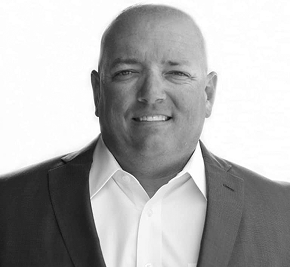





By Gil Smith, Executive Director of Growth and Development at Loyal Source; retired Naval Officer and Chief Hospital Corpsman
My perspective on healthcare access was shaped early in my career as a Navy Hospital Corpsman. I earned my clinical skills through direct instruction from a Physician Assistant who was a Navy SEAL. He engrained in me that as a provider you must take care of the whole patient. That meant the person in your clinic, as well as those supporting them. You need to preserve the force, and preserve the family supporting our warfighters.
In military medicine, care is not abstract. It is immediate, human, operational, and mission-critical. Whether supporting service members, families, or larger health systems, I learned that effective healthcare delivery depends on more than clinical capability. It depends on trust, coordination, communication, and the ability to meet people where they are so they can achieve their mission and goals.
That lesson remains deeply relevant when we talk about expanding access to care and services for Veterans.
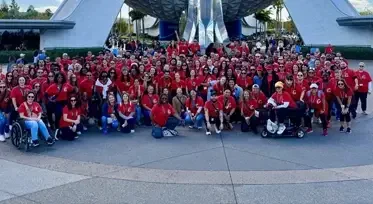
At Loyal Source, serving Veterans is personal. Roughly 15% of our workforce are Veterans, and their experience helps guide our commitment to supporting healthcare services that help VA and the Veterans it serves. This personal investment is what attracted me to Loyal Source.
Access Must Reflect Real Life
VA notes that claim exams may be requested when more information is needed to decide a claim or determine the severity of a disability. VA also states that these exams may be scheduled at VA facilities or through contracted medical examiners.
For Veterans, access is not limited to one setting. In my own experience I was first evaluated at a Community Based Outpatient Clinic, and later at a Veterans Affairs Medical Center. Today, Loyal Source supports Medical Disability Examination (MDE) delivery through multiple access points, including 138 clinics, multiple Mobile Medical Units, and a network of provider locations. Quite often this is a Veteran’s first experience with a VA affiliated provider.
For Veterans and families, the experience surrounding that process matters. I am proud to be in my leadership position for a provider that understands the importance of mission, family, and caregiver.
Small details that shape trust:
Was the appointment easy to schedule? Was the location accessible? Was communication clear? Were caregivers considered? Were next steps explained?
“Military medicine taught me that care is only successful when it reaches the people who need it in a way they can trust.”
Gil Smith, Executive Director of Growth and Development, Loyal Source
Families Are Part of the Mission
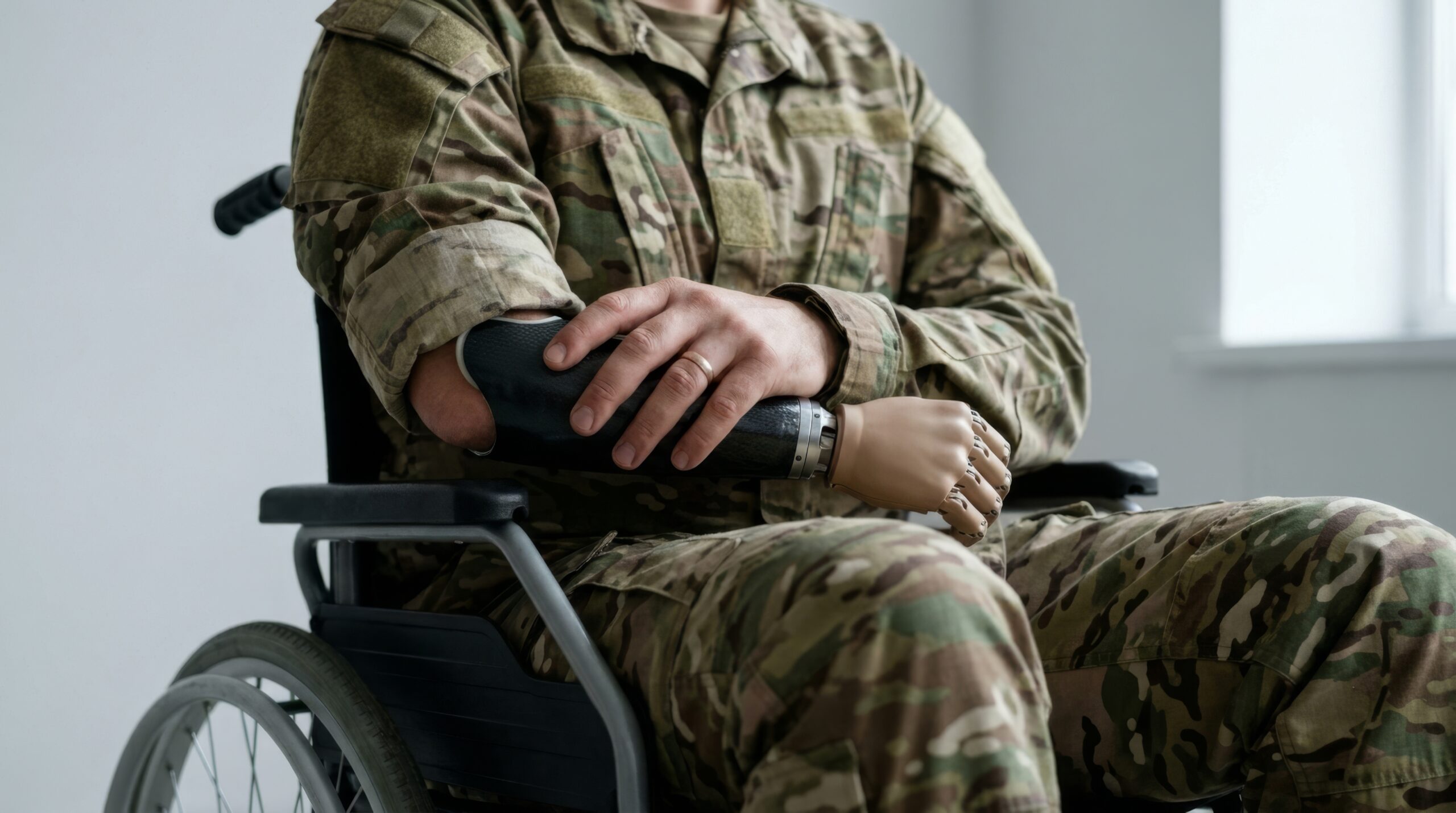
Veterans often rely on families and caregivers to help navigate care, services, transportation, paperwork, appointments, and daily needs. Sometimes a spouse, partner, sibling, or even one of their children.
Any serious conversation about access must include the family and caregiver experience. Families and caregivers often help Veterans navigate appointments, transportation, records, communication, and daily support, making them an essential part of the broader care journey. They may or may not know all of the jargon we use, or even understand the bureaucracy of military and federal process. We need to be sensitive to that and understanding around providing proper support.
When services are easier to reach, understand, and navigate, the experience improves not only for Veterans, but also for the people who stand beside them.
Expanding the Pathways to Care
There is no single model that solves every access challenge.
Clinics provide stability, consistency, and continuity. Mobile Medical Units can extend reach and convenience. Provider locations help create additional access points across communities. Coordinated service models help connect Veterans and families to the right support at the right time. As we make technological advances in moving and protecting health information, integration of VA, DOW, and the many other access points like Loyal Source, The Community Care Network and Tricare can become seamless, further easing the complexity of Veteran care.
Together, these pathways can improve access and reduce friction.
For Loyal Source, this work aligns with who we are and what we do. We support healthcare services that help VA and the Veterans it serves, and we bring a mission-driven approach to program execution, service delivery, and Veteran support. It has been 40 years since Warrant Officer J.D. Hill (SEAL) took me under wing and set this path of warfighter, mission, and family as a care mandate. I’m proud to be able to continue that tradition here at Loyal Source.
Access is not just about where care happens. It is about whether Veterans and families can reach care and services in a way that is timely, clear, respectful, and trustworthy.
That remains the goal and my mission.