



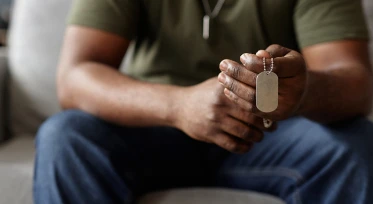

Military medicine needs to focus on one simple goal: improving health outcomes for the Warfighter before, during, and after the mission.
Advancing research, sharing operational lessons, and exploring innovations are essential to supporting the unique medical needs of the Warfighter and strengthening the future of military health.
Military medical innovation is only as valuable as the impact it creates. New research, clinical models, technologies, and care approaches must ultimately improve readiness, strengthen resilience, support recovery, and enhance long-term outcomes for Warfighters, Veterans, and their families in an agile and responsive manner.
That is why operational perspective matters.
“In military medicine, innovation has to be measured by its impact on readiness, care, and outcomes for the Warfighter.”
— Stephen M. DeLellis, LTC (Ret.), Senior Director, Military Health, Loyal Source
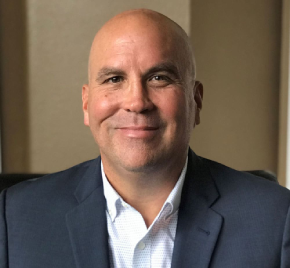
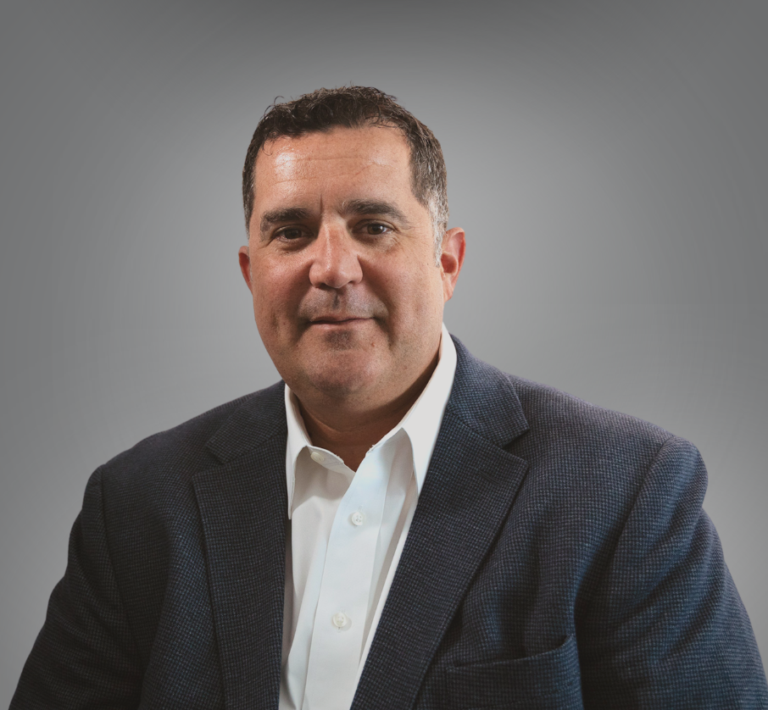
Stephen M. DeLellis, LTC (Ret.), Senior Director of Military Health, brings more than 36 years of military service to Loyal Source, including over three decades in Army Special Operations Forces. His experience spans operational medicine, combat casualty care, traumatic brain injury research, and enterprise-level military health programs. Across that career, one lesson is clear: military medicine must be grounded in the realities of the mission.
Military healthcare must connect research with operational need. Collaboration among clinicians, researchers, military leaders, government partners, and industry organizations is essential to improve care in training, deployment, recovery, and rehabilitation.
Readiness is not only an operational requirement. It is a health outcome shaped by prevention, access to care, clinical quality, recovery, resilience, and long-term support. Improving readiness requires healthcare solutions that are evidence-based, mission-focused, and responsive to the evolving needs of the force.
Loyal Source is committed to the future of military health: advancing mission-focused healthcare solutions, improving readiness, and delivering better outcomes for Warfighters, Veterans, and their families.