


For years, the tactical community has focused on answering a critical question:
How do we improve human performance?
The results have been significant. Across military, law enforcement, fire and rescue, and other mission-critical professions, organizations have adopted increasingly sophisticated approaches to strength and conditioning, recovery, resilience, and performance optimization.
Today’s tactical professionals benefit from training methodologies, performance programs, and interdisciplinary support systems that would have been difficult to imagine just a generation ago.
These advancements have strengthened readiness in meaningful ways.
But as these capabilities continue to mature, a new challenge is emerging:
How do organizations sustain them?
While conversations often focus on individual performance, readiness is ultimately an organizational capability. Behind every successful readiness program is a network of workforce capacity, operational support, specialized expertise, and program infrastructure working together to sustain performance over time.
For leaders who have spent their careers supporting military operations, that reality is not theoretical.
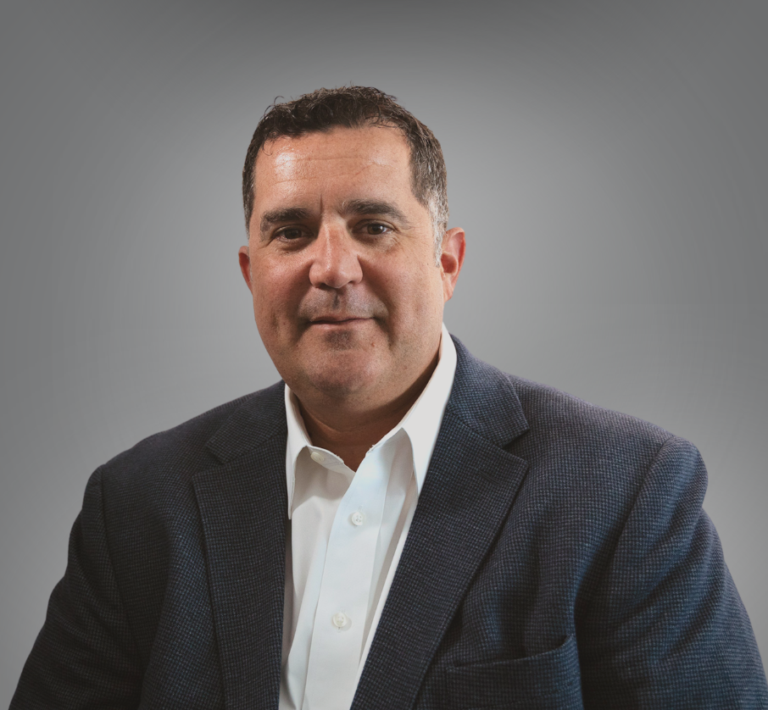
Throughout more than three decades supporting Army Special Operations Forces, Loyal Source Senior Director of Military Health Stephen M. DeLellis, LTC (Ret), observed firsthand that mission success depended on far more than the individual operator. Whether supporting deployed forces, advancing traumatic brain injury research, or helping guide enterprise-level military health programs, one lesson remained constant:
“The strongest readiness programs aren’t defined solely by performance in the moment. They’re defined by an organization’s ability to sustain the capabilities that support mission success over time.”
That lesson is increasingly relevant across the tactical community today.
The challenge facing many organizations is no longer simply improving performance. It is maintaining the systems that make performance possible.
Maintaining access to specialized expertise. Supporting critical programs. Ensuring operational continuity. Building the capacity needed to adapt as mission demands evolve.
The tactical performance community has demonstrated that readiness cannot be achieved through physical training alone. Today’s most effective programs integrate multiple disciplines to improve outcomes. The same principle applies at the organizational level. Sustaining readiness requires an equally integrated approach to workforce capacity, operational support, and mission execution.
Organizations that excel in readiness recognize that performance does not exist in isolation. It is enabled by a broader network of capabilities working together toward a common mission.
As conversations surrounding tactical human performance continue to evolve, leaders are looking beyond training environments and asking larger questions about resilience, scalability, and long-term readiness.
Success is no longer measured solely by what happens during a training cycle or operational event. Increasingly, it is measured by an organization’s ability to sustain capability over time.
Across military, law enforcement, fire and rescue, and other mission-critical professions, leaders continue to explore how organizations can build and sustain the capabilities required to support readiness over the long term.
The tactical community has spent years improving the performance of the force.
The next readiness challenge may be sustaining the capabilities that support the force.
Organizations that solve that challenge will be better positioned to maintain mission effectiveness long after a training cycle ends.
Because readiness is not measured solely by what an individual can do today.
It is measured by what an organization can sustain tomorrow.